Leadership That Works.
Wherever the Mission Is. Where SocialWorks 193 stands on leadership in non-profit organisations: we design and deliver training and programmes for the future C-level of NGOs and public institutions, all over the world.
Learn. Lead. Pass it on.
OUR AIM: THE NEXT GENERATION OF NON-PROFIT LEADERS
Our aim, and the thread through everything we do, is to make the NGO sector and civil society stronger and to prepare them for the future. Strong organisations need leaders who are ready, and Leadership Works is how we contribute through people: training and programmes for the C-level of non-profit organisations, for those who lead today and above all for those who will lead tomorrow.
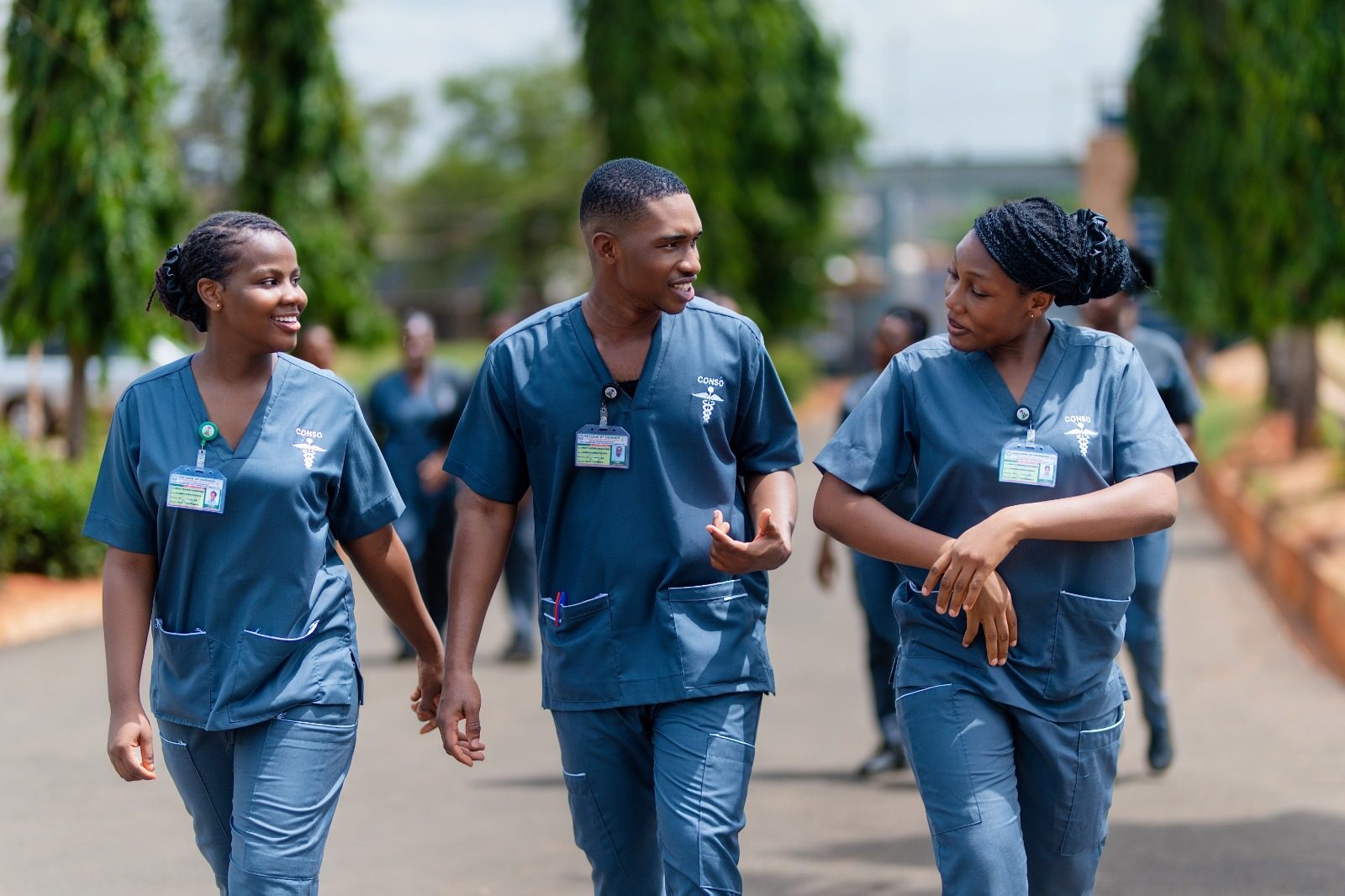
Our participants are executive directors, CEOs, board members and the senior managers who will step into these roles, in NGOs, foundations and public institutions. We work wherever they work: in Germany and Europe, in the Middle East and North Africa, and in crisis regions around the world, together with partner universities and local faculty.
WHY NON-PROFIT LEADERSHIP IS DIFFERENT
Research has long described the challenges facing NGO leaders as distinct from those in government or business. Our own experience confirms it: after almost twenty years of leadership in banking, the biggest difference in leading a large international NGO was not strategy or finance. It was leadership. Leading a non-profit is not leading a company with a softer mission. It is a discipline of its own, and it can be learned.
Purpose as currency. People look for meaning and recognition more than salary and promotion; leaders must give both without losing clarity.
Taking the role. Hierarchy is often mistrusted; leaders must accept the role, decide and set boundaries with respect.
Conviction and reflection. Strong moral convictions make self-criticism harder; leaders must moderate with honesty and take a clear position.
Expertise and status. Conflicts between experts are fought hard; leaders must moderate them and keep communication open.
Crisis readiness. Many have never faced a collapse in income; deciding under pressure must be learned before the crisis.
Many stakeholders. Donors, governments, members, volunteers and communities all expect to be heard; leaders must balance them without losing the mission.
WHY IT MATTERS NOW
The sector is being asked to do more with less. An estimated 239 million people need humanitarian assistance in 2026, while international humanitarian assistance fell by 11% in 2024, the largest cut ever recorded. Leaders carry more responsibility with fewer resources, and a third of non-profit leaders are very concerned about their own burnout.
At the same time, the pipeline of leaders is thin. In Germany, 53% of civil society organisations could not find enough volunteers for leadership positions in 2022, up from 46% in 2016. The next leaders will increasingly be local: direct and indirect funding to local and national organisations reached just 7.5% of total assistance in 2024, against the 25% the Grand Bargain set as its target. Strong local leadership is how that changes.
THE GAP WE CLOSE
30%
OF NON-PROFIT C SUITE ROLES FILLED BY INTERNAL PROMOTION, ABOUT HALF THE FOR PROFIT RATE
Non-profits rarely grow their own leaders. In a survey of 438 senior leaders, 58% had received no funding for talent development in the previous two years, and only around 1% of foundation funding goes to leadership development. That is the gap we close: we prepare the next C-level before the role falls vacant, so that successors come from within the sector and are ready to lead.
WHAT WE DO: PROGRAMMES FOR THE NEXT C-LEVEL
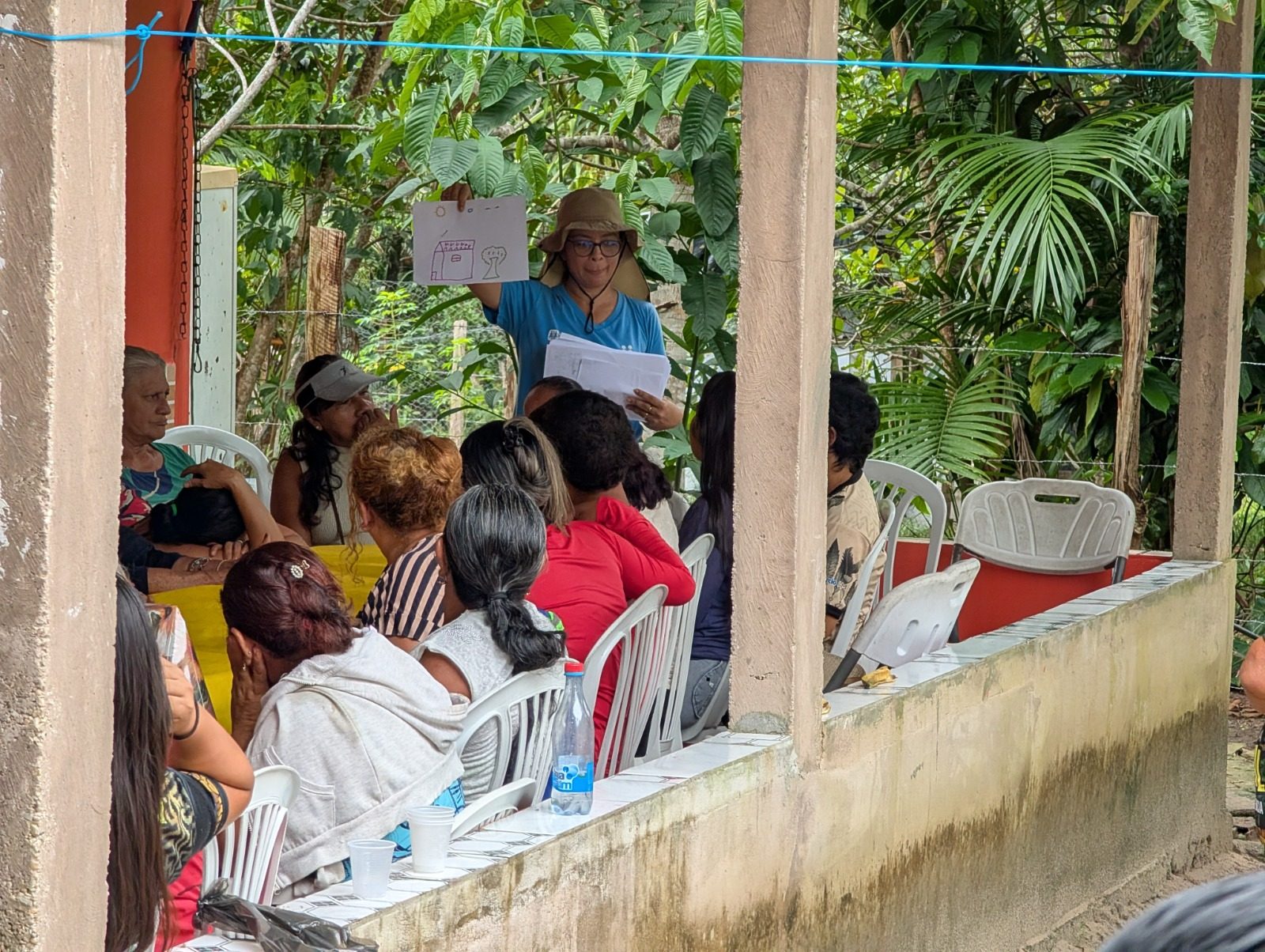
Programmes, trainings and expert courses, from a single leadership team to international cohorts, designed for non-profits and delivered where they work.
Programme formats
01
COHORTS
International programmes for future executive directors and senior managers from several organisations and countries, delivered with partner universities.
02
IN HOUSE
Tailor-made programmes for one organisation: its leadership team, board and succession pipeline, built on a needs assessment.
03
TRAININGS
Compact trainings on single themes, from financial management to crisis leadership, open to several organisations or run in house.
04
EXPERT COURSES
Short courses with experts on current topics, such as preparing a proposal for the Green Climate Fund or what an international leadership role demands.
WHO TEACHES
Practitioners and academics together. CEOs and business owners from our C-level network, together with leaders from politics and science, bring the experience of leading through crises, negotiating with governments and taking hard decisions. Faculty from partner universities bring the research. Our design builds on our own teaching of non-profit leadership at the Hertie School and Universität Hamburg.
HOW WE DESIGN PROGRAMMES: BUILT ON EVIDENCE
Leadership can be learned. A meta-analysis of 335 samples found leadership training substantially more effective than previously thought, especially when it starts with a needs analysis, includes practice and feedback, spreads sessions over time and takes place face to face. Leaders in the Global South ask for the same: practical, contextualised training, mentoring, attention to wellbeing and teaching in their own language. What does not work is the endless one off course; local partners describe feeling “trapped in the eternal school of capacity strengthening”.
Four principles of programme design
Start with needs. Every programme begins with a needs assessment: what participants already do well, where they want to grow and what their context demands.
Learn by doing. Cases, simulations and real leadership challenges, with 360 degree feedback and peer exchange.
Spaced and local. Modules spread over months with peer groups in between, in person in the region wherever possible, remote where crisis contexts require it, and in the local language where we can.
Measured. We agree at the start what success looks like and measure against that baseline, so learning ends in changed practice, not in a certificate.
HOW IT FITS TOGETHER
Everything SocialWorks 193 does serves one aim: a stronger civil society and NGO sector. The Rapid Resilience Check shows where an organisation stands; Development Works strengthens its strategy and operations; when a leadership role falls vacant today, Capacity Works provides an interim manager. Leadership Works makes sure the next leader is ready, so that the organisation needs interim support less often.
OUR POSITION, IN ONE LINE
Practice over theory.
Peers over prescription.
Preparation over improvisation.
That is the position we take into every Leadership Works programme, and the contribution we intend to make to a stronger civil society and NGO sector.