Voices
Voices from the sector.
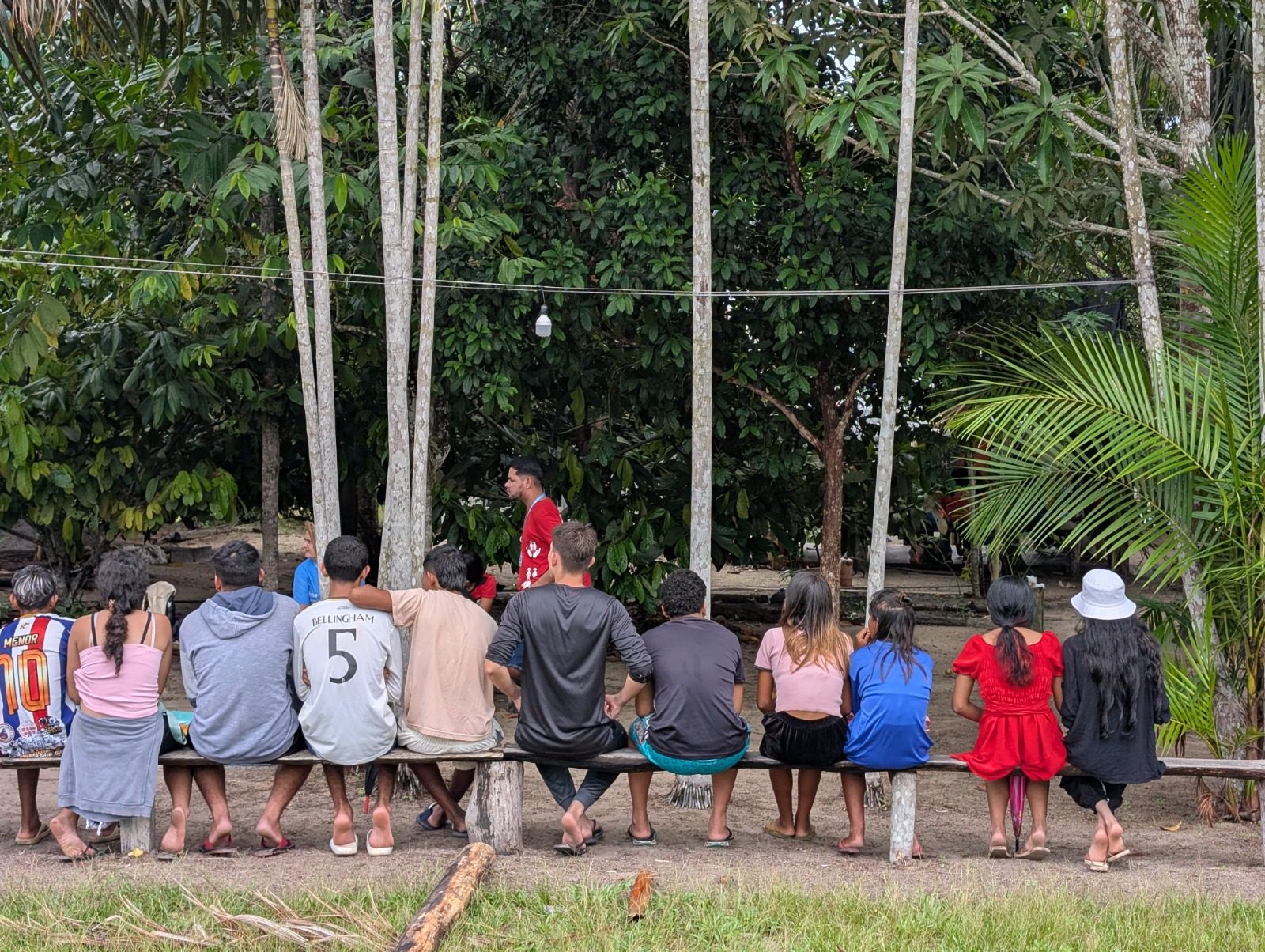
Client and partner voices. Photo, name and quote.
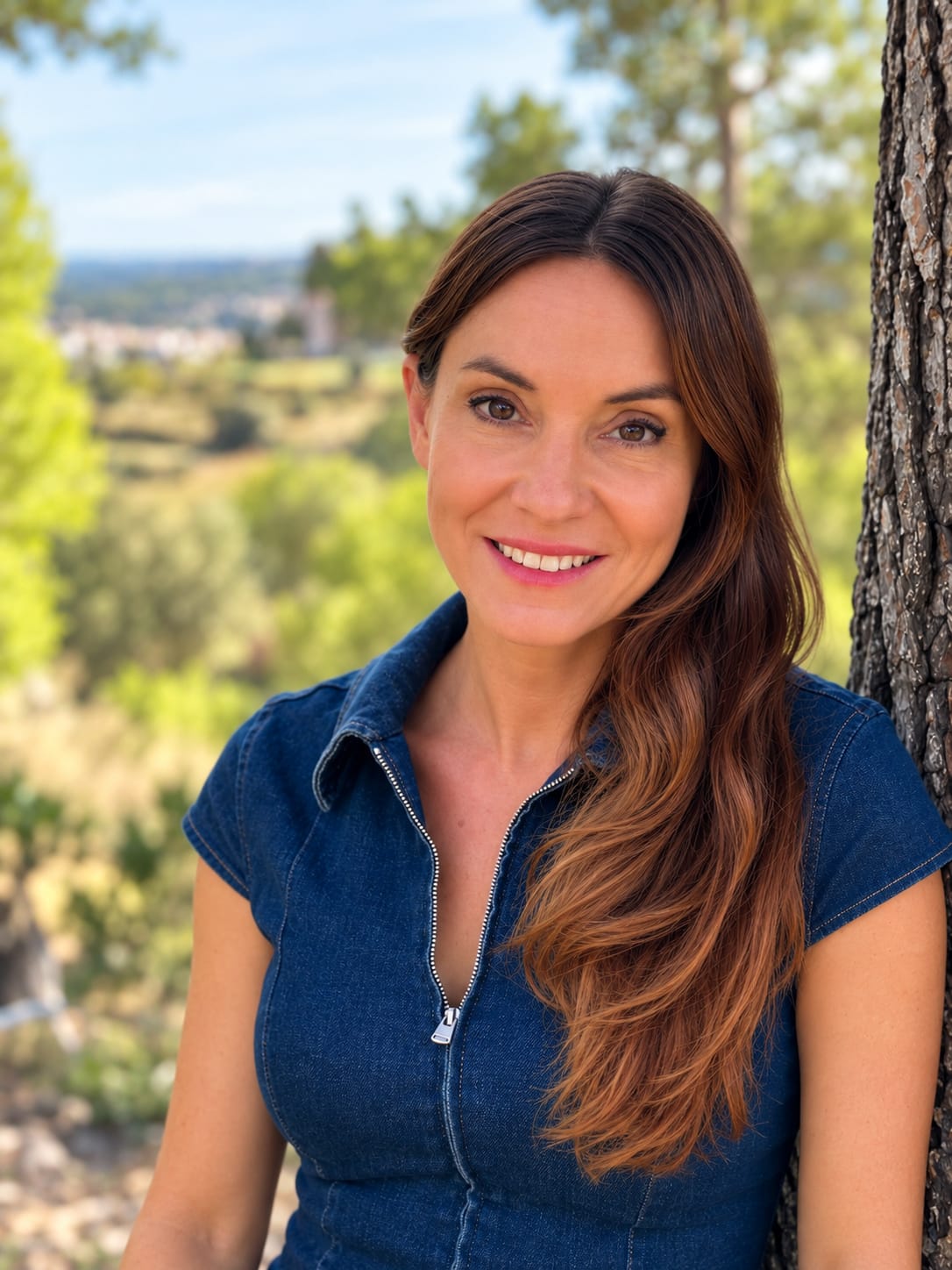
Mercedes Navarro
former Director of National and Regional Programmes, Médicos del Mundo Spain
„Cuts to development aid leave us facing a paradox: the scarcer resources become, the greater the temptation to prioritise our own institutional survival – just when we should be accelerating the transfer of power and resources to local organisations. The real risk is not only losing funding, but that institutional survival ends up displacing our transformative mission. We need partnerships in which communities have real decision-making power, not just participation in projects designed from the outside."
Dionísio Simões Pereira
President of FORUM CV – Cabo Verdean Civil Society Forum · Adviser to the IPP – Pedro Pires Institute for Leadership, Cabo Verde · Former President of REPAOC – Réseau des Plateformes d'ONG d'Afrique de l'Ouest
„Development cooperation must stop prioritising the transfer of financial resources and instead focus on transferring knowledge, practical skills and capacities, so that local resources can be turned into wealth and wellbeing. It is essential to promote operational partnerships between local organisations, governments and international partners, based on mutual learning, shared responsibility and the delivery of transformative results. Rather than perpetuating dependence on external aid, cooperation should foster a culture of sound management, preservation of resources, resilience and the progressive self-sufficiency of communities and countries. This change is particularly urgent in a context of growing pressure on international cooperation resources and, only now, because it is now that the new generation is able to review the progress made over some 60 years of African independence without much of the burden of a colonised mindset."
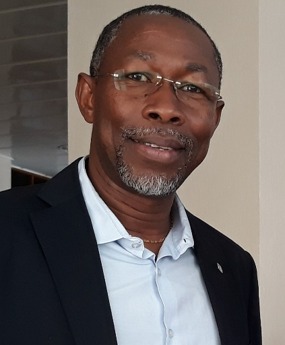
Dr. Till Wahnbaeck
Founder & CEO, Impacc gGmbH
„Times are becoming tougher and more polarised: development co-operation now needs a survival strategy, as political support and public funding are dwindling. It must focus on humanitarian aid, effective priorities and fewer overlapping structures. For long-term co-operation, it needs new instruments that strengthen local value creation and combine public funding with private capital, without replacing state responsibility."
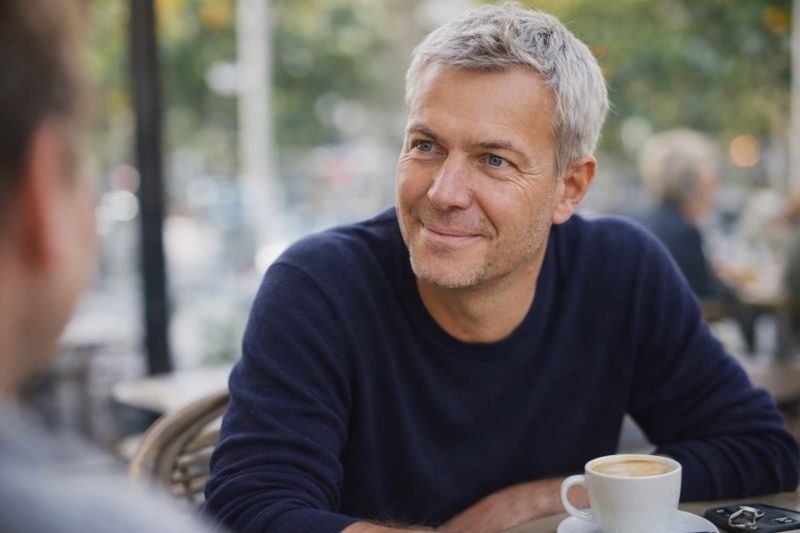
Serap Altinsik
Board of Directors BRAC (Bangladesh)
„For me, a partnership of equals begins when organisations in the Global South are not merely consulted, but have a say in decisions regarding priorities, resources and risks. Anyone who expects local accountability must also share power, funding and scope for action. In my view, cooperation is sustainable when it empowers local organisations in such a way that their own capacity to act grows – even if the international partner eventually plays a less central role."
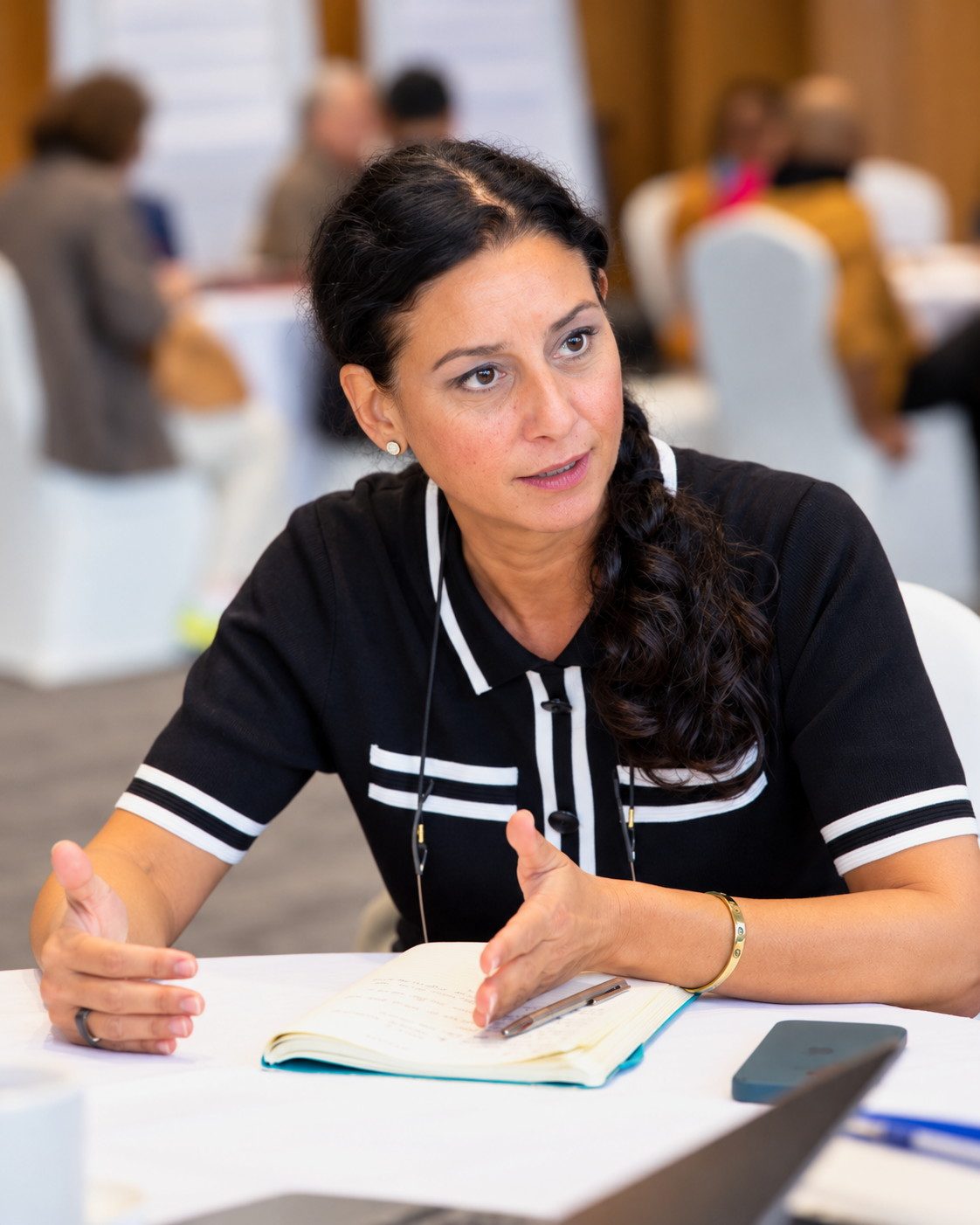
Esteban Reyes
Founder & Managing Director, Recursiva Lab | Board Member, Fondo Acción and Fundación Tiempo de Juego (Colombia)
„Resilience. Many organisations have learned to deliver excellent programs and have unique capabilities to work effectively in specific contexts, yet they remain extremely vulnerable to the loss of a major donor or contract. They need stronger financial management, more diversified sources of income, adaptable operating models, and boards that are prepared to make difficult decisions before a crisis hits."
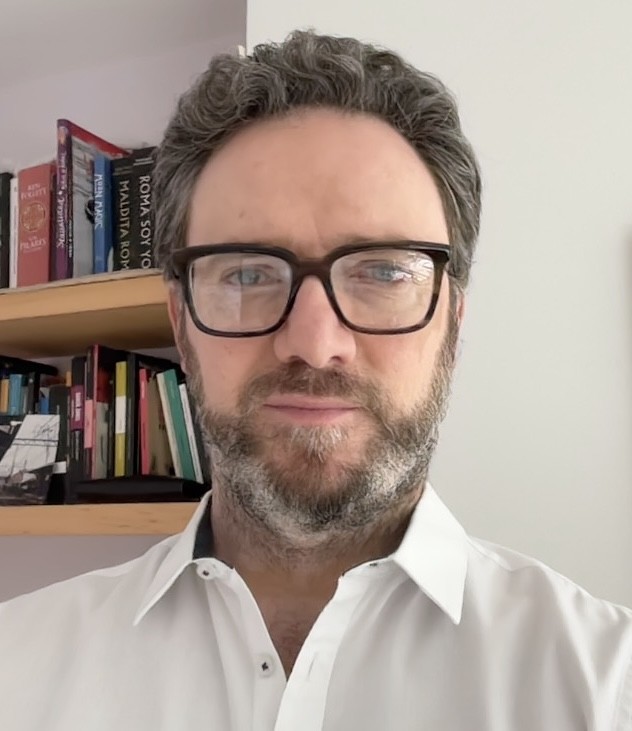
Sigrid Scherer
Co-Managing Director Coach@School e.V. (Germany)
„Non-profit organisations face fierce competition for resources and impact. They can learn from for-profit organisations how to adopt a more results-oriented approach and how to establish professional management structures to achieve this. Conversely, prioritising values and positive social development should also be a key objective for for-profit organisations."
Matt Haikin
AI Consultant (Spain)
„As a sector we tend to have a love-hate relationship with the private sector, with some idolising its apparent efficiency and others branding it as pure evil. Obviously reality is more nuanced. The absolute clarity of the bottom-line does focus private-sector actors in a way that NGOs find difficult. But the danger is in over-simplification – yes, adopting some of the private-sector's approaches, especially the ability to make quick decisions, react to a changing context, take risks, do short experiments and learn from them. But our context is inherently more complex and has higher stakes for the communities we work with – so sure, let's learn from how the other side works, but cherry-pick and adapt it, don't look at it as some sort of holy grail!"
Anna-Maija Mertens
Board of DICO e.V., President of EBD
„The same applies to charitable organisations: the good times are over for the time being. Anyone wishing to remain effective in the face of more challenging political, social and financial conditions must build greater resilience. This involves conducting an honest risk analysis. Charities must identify vulnerabilities, reduce dependencies, professionalise their structures and strengthen safeguards. After all, good intentions alone do not create resilience – and social relevance does not protect against crises. Resilience is not a defensive strategy. It creates the freedom to take a stand, make an impact and act independently even under pressure. That is exactly what we need now: a strong, professional and resilient civil society. More than ever."
Svenja Weber
Managing Director of Dialog Impacc gGmbH
„A succession process requires both financial resources and supporting expertise, as it is necessary to review and develop the entire system in order to become a sustainable, future-proof organisation that is not reliant on any one individual. When it comes to funding for continuity – which also involves infrastructure funding – I am encountering limitations that make it extremely difficult to ensure the long-term viability of a generation that has already proven its effectiveness."
Alexandra Herzog
Chair of the Board of Transparency Germany e.V.
„Something has gone awry in Germany, and democratic civil society is under pressure here as well. In some parts of our country, it is even threatened by well-established far-right extremist structures. Narratives designed to delegitimize it are being systematically spread and are taking hold even in the mainstream of society. The appreciation shown to us and our allies, along with the effectiveness of broad social alliances, gives me hope."
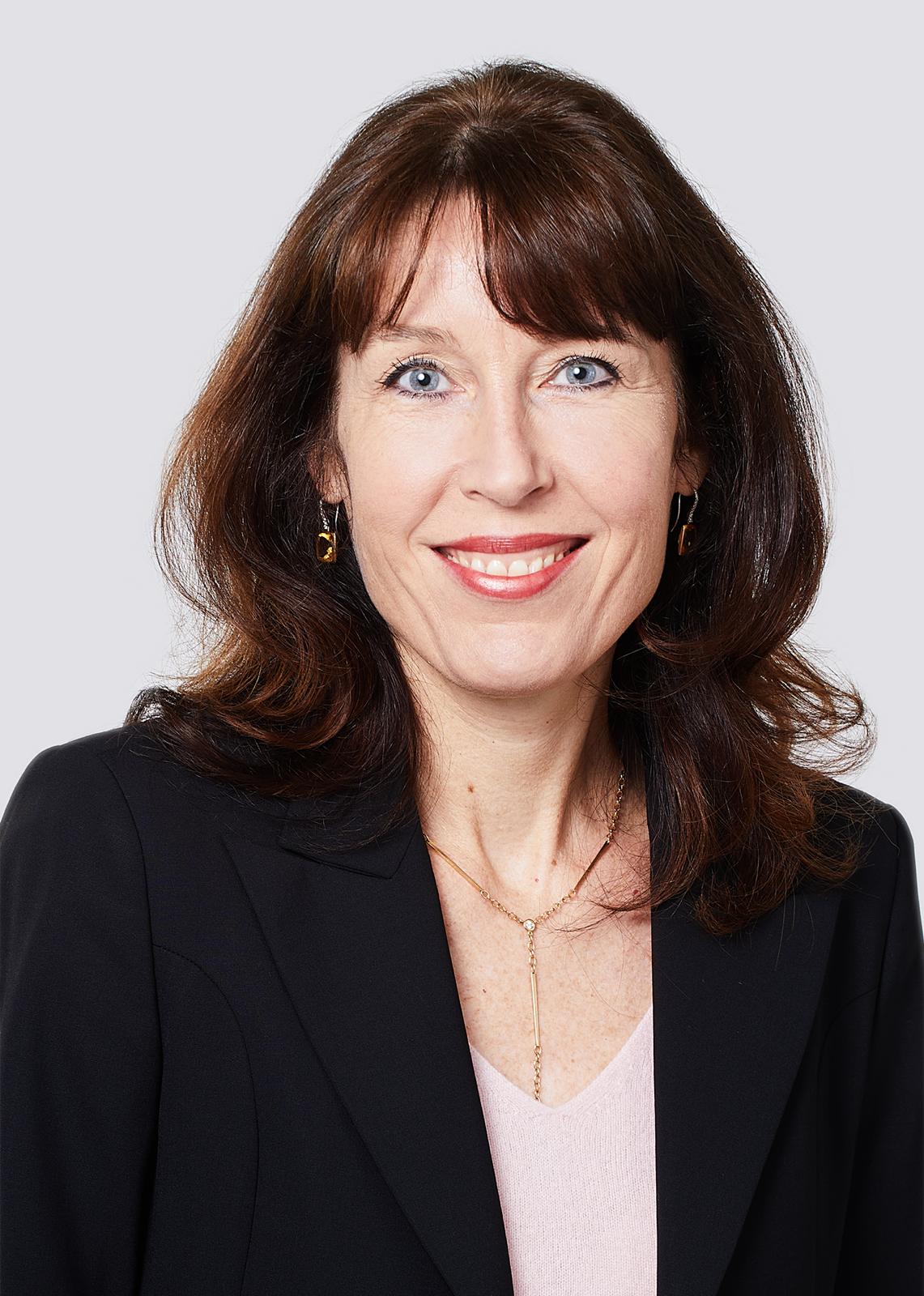
Aladin Ormanovic
Senior Development Advisor (Bosnia)
„Good development work starts with understanding the reality on the ground and bringing the right people and perspectives together to create solutions that can last. I value approaches that go beyond short-term projects and help organisations, communities and partners build the capacity and partnerships needed for sustainable change."
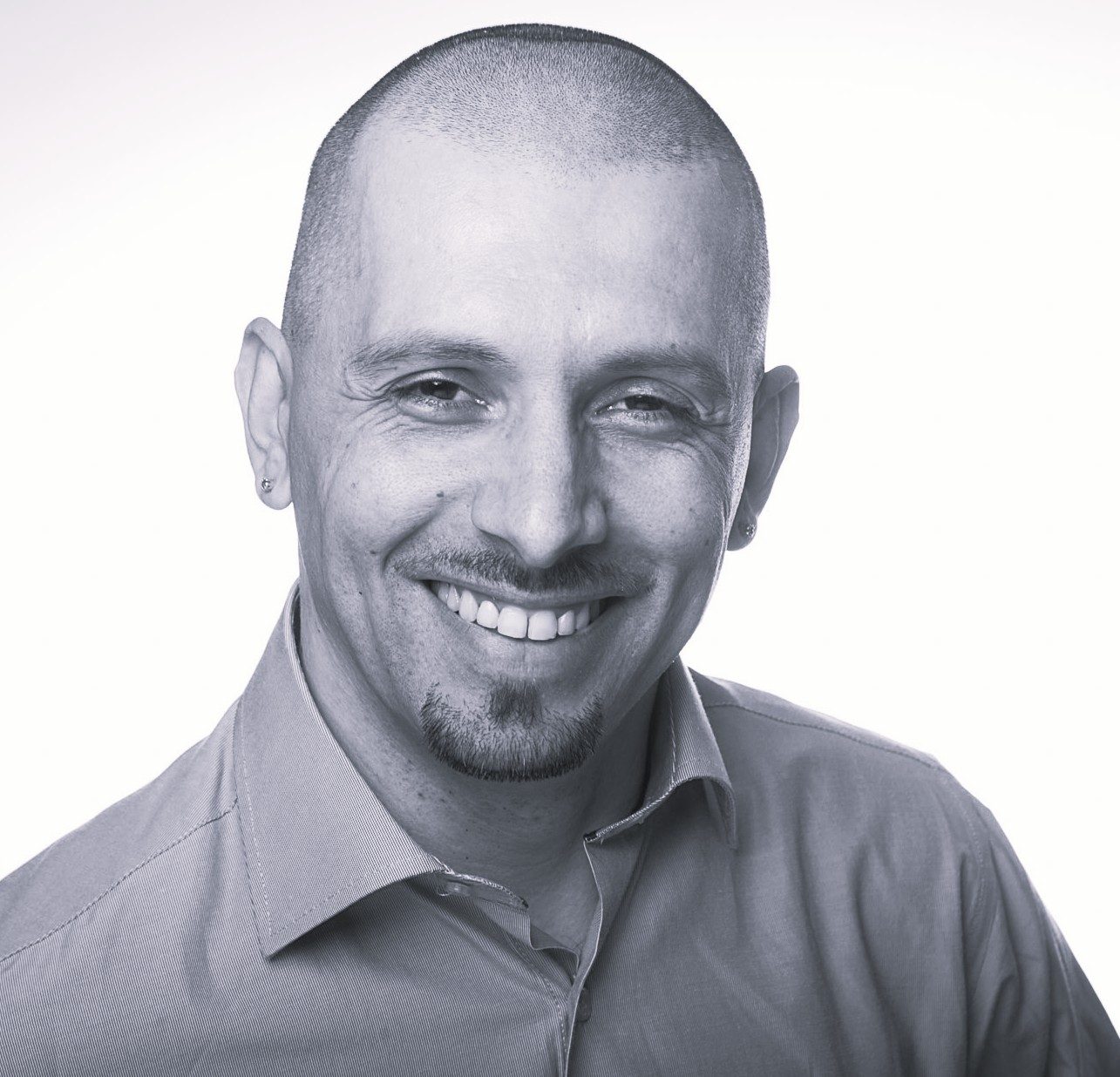
Pedro Puig Pérez
Presidente Ejecutivo Aldeas Infantiles SOS (Spain)
„For me, the great challenge is for impact to be one of the most important criteria guiding decisions: what really changes in people's lives, and how much of that change lasts. Sustainable funding is another major challenge. Many organisations face growing needs with more uncertain resources that are often tied to short-term projects. This lack of stability makes it harder to retain talent, plan for the long term and support processes whose results do not arrive within a year. The recent fall in international aid is intensifying this pressure."
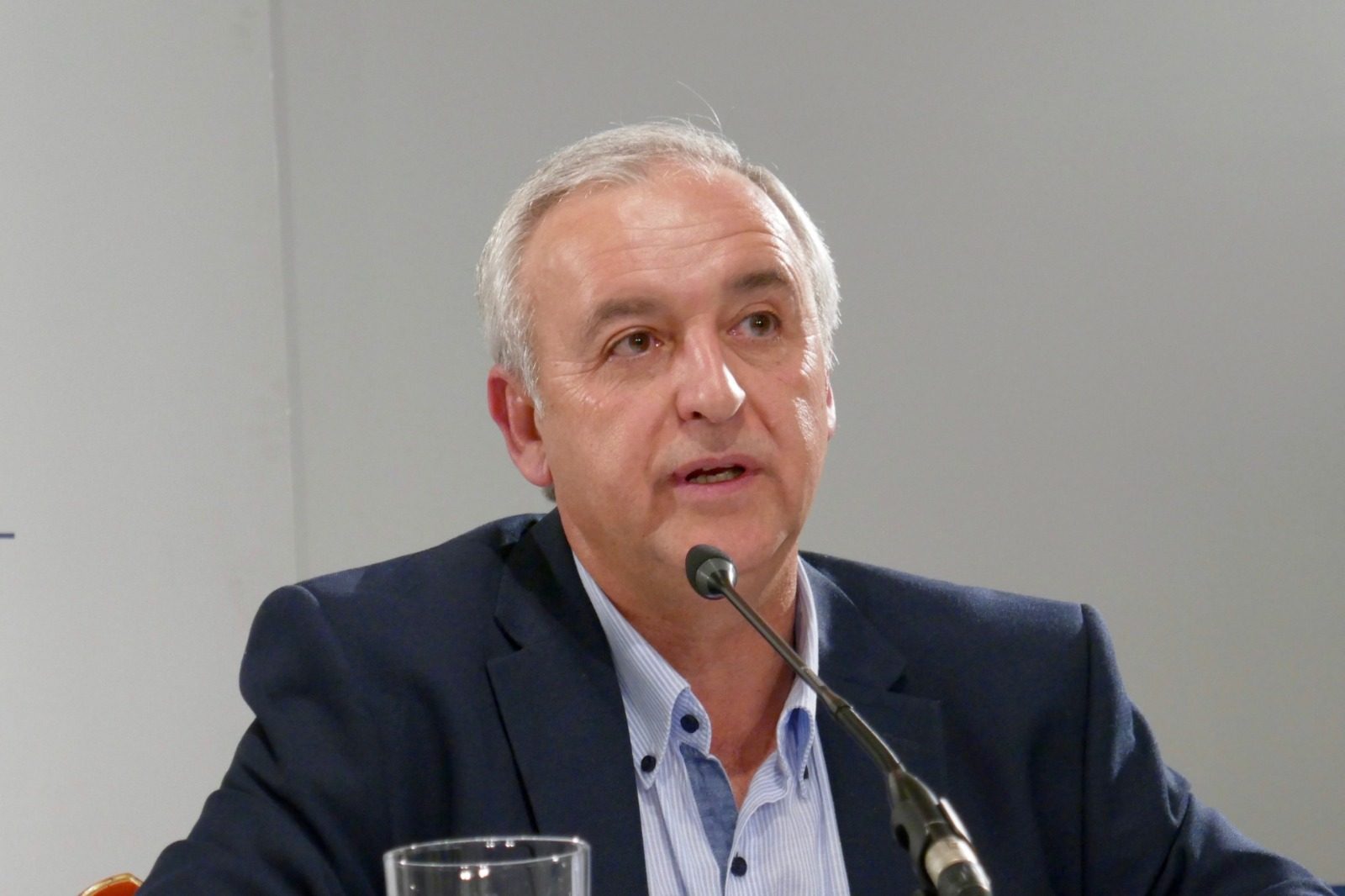
Till Rummenhohl
Managing Director SOS Humanity e.V.
„What worries me most is the growing division within our society: the number of people who uncritically accept racist and xenophobic narratives, who claim that migration is the root of all problems, and where political hatred – for example, against people with a migrant background and queer people – is becoming an unquestioned norm. It worries me that, because of the frustration prevailing in our society, many people are allowing themselves to be blindly mobilised for the right-wing agenda, and that we are beginning to turn against one another, thereby losing more and more of our humanity. What gives me hope are all those who, despite everything, fight together rather than against one another – who ask questions and challenge the status quo, build bridges and hold fast to a society in which no one is left behind."
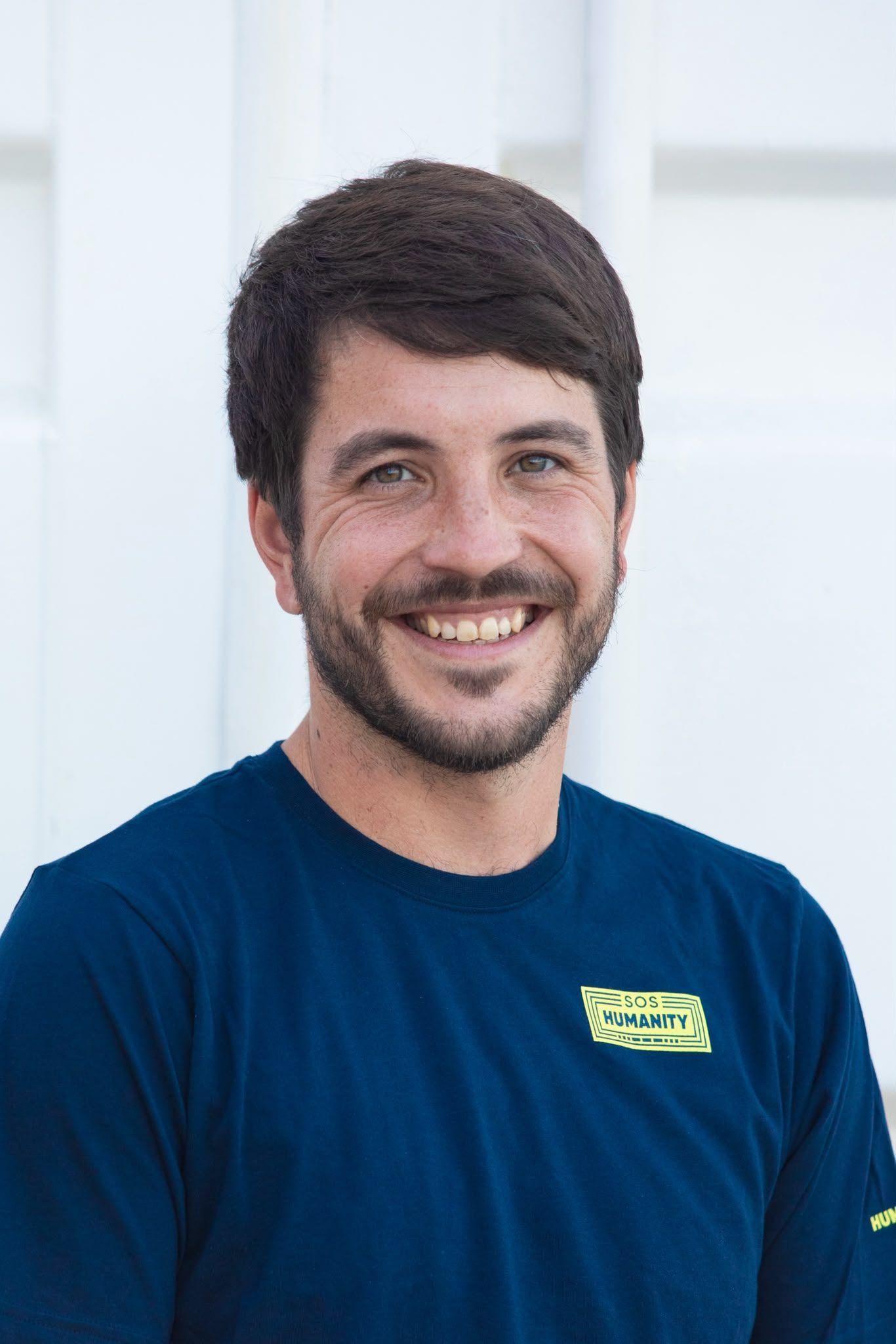
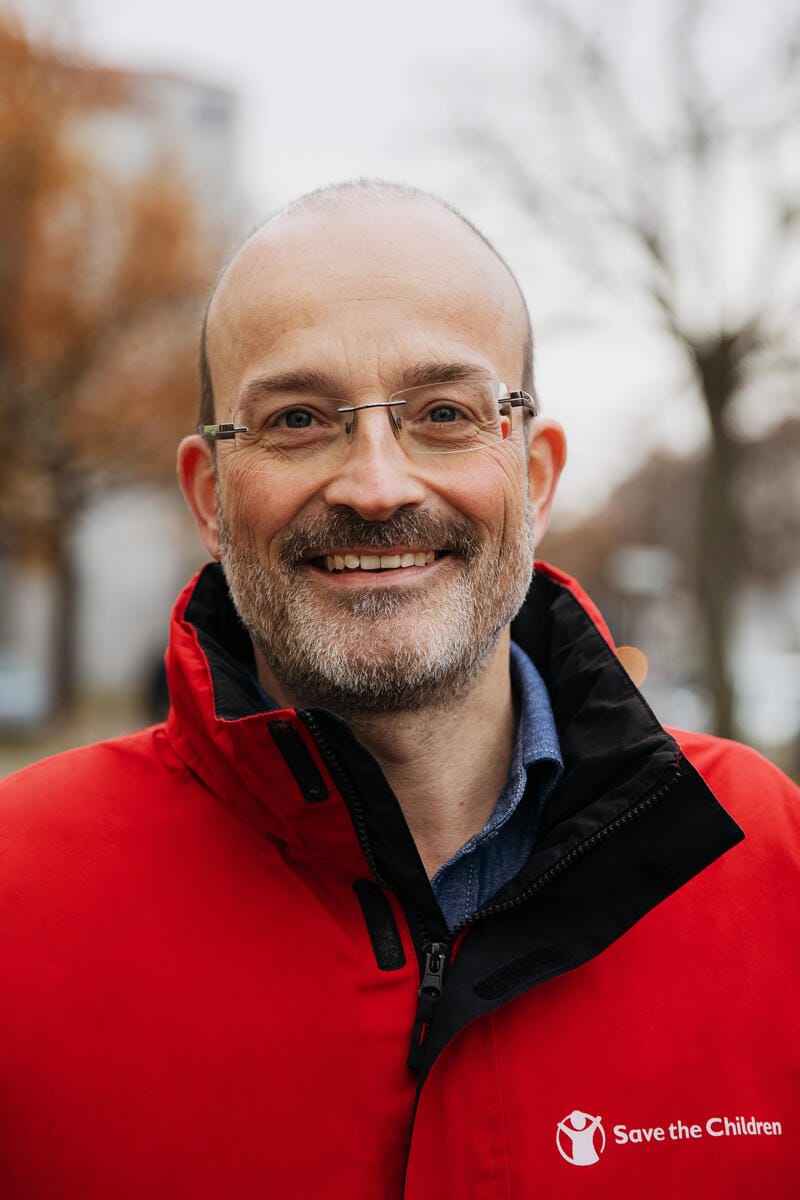
Florian Westphal
Geschäftsführer / CEO, Save the Children Deutschland e.V.
„A partnership of equals works when all partners agree on the same strategy and are able to contribute their respective strengths to its implementation. Differing expectations and perspectives must be discussed and clarified from the outset. A genuine partnership means that the partner who contributes more money does not automatically make all the decisions."